
Pomsky: Breed Profile, Temperament, Care & Facts
Overview
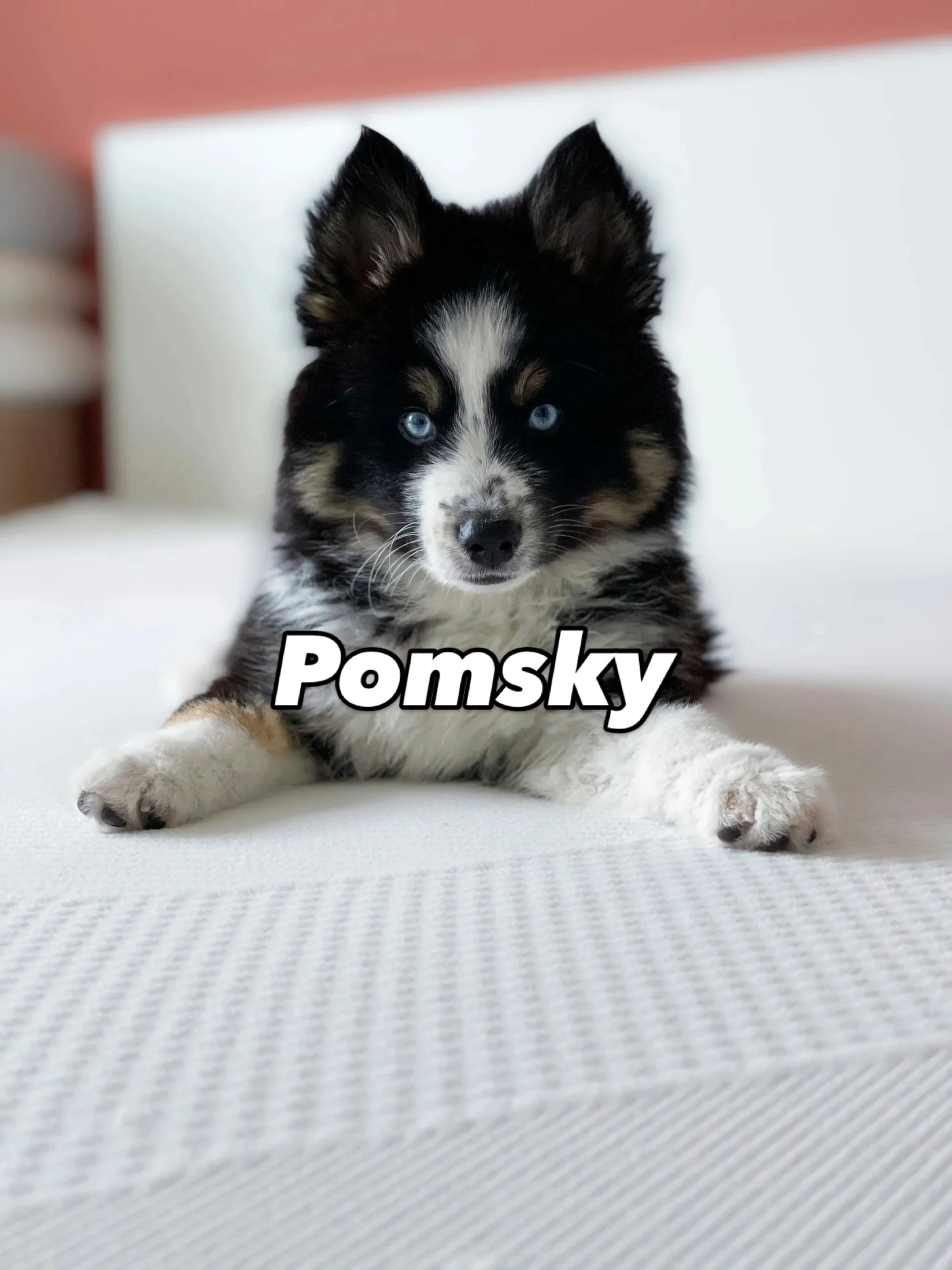
The Pomsky might just be the internet's favorite dog. Equal parts stunning and silly, this pint-sized hybrid combines the wolf-like good looks of the Siberian Husky with the compact, fluffy charm of the Pomeranian — and the result is one of the most sought-after designer breeds in the world. But before you fall completely head over heels for those blue eyes and that miniature Husky face, there's a lot to know. The Pomsky is a dog with a big personality, specific needs, and more than a little unpredictability. Here's everything you need to know before bringing one home.
Quick Facts
Breed Type: Hybrid / Designer
Parent Breeds: Siberian Husky + Pomeranian
Size: Small to Medium
Weight: 20–30 lbs (can vary widely)
Height: 10–15 inches
Lifespan: 13–15 years
Coat: Dense double coat, fluffy
Energy Level: Moderate to High
Good with Kids: Yes, with older children
Good with Other Dogs: Generally yes
AKC Recognized: No
History
The Pomsky has one of the most unusual origin stories in the designer dog world — it started with a viral internet moment. The idea of this designer hybrid first surfaced in 2011 when a Buzzfeed article suggested how adorable a Pomeranian and Siberian Husky hybrid would be, showcasing photographic examples that the internet fell in love with. There was just one problem: the size difference between a Pomeranian and a Siberian Husky made natural breeding essentially impossible.
So breeders got creative. Pomskies have only been around since 2012. Due to the size difference between the two breeds — Pomeranians tend to max out at around 7 pounds while Huskies can weigh as much as 65 pounds — first-generation Pomsky puppies are born to Siberian Husky dams and Pomeranian sires via artificial insemination.
The breed exploded in popularity almost immediately, driven largely by social media. One of a number of designer dogs, Pomskies are a very recent breed that's gaining in popularity thanks primarily to their photogenic appearance and prevalence on social media. Today, the Pomsky Club of America and various breed associations are working toward establishing formal breed standards, though the AKC does not yet recognize the Pomsky.
Temperament
The Pomsky personality is a fascinating — and sometimes unpredictable — blend of its two very different parents. In general they tend to have the funny, outgoing personality of the Pomeranian with the independent streak of the Siberian Husky.
Key traits include high intelligence, making them quick learners but also capable of outsmarting their owners, playfulness, affection — they thrive on human companionship and form strong bonds with their families — an independent streak requiring patience and consistency in training, and alertness, making them good watchdogs as they are naturally observant and vocal.
One thing every prospective Pomsky owner should know: this breed is vocal. Both breeds also tend to be on the noisy side, with Huskies being talkative and Pomeranians being prone to yipping. As a result, Pomskies are typically vocal dogs who aren't a good fit for someone with a low tolerance for noise, or for an apartment with thin walls and easily annoyed neighbors.
Pomskies also tend to be protective, which can increase their tendency to bark, especially around strangers. They do, however, make excellent watchdogs. They have a fiercely loyal streak, which means they may latch onto one member of the household as their primary person, although they generally tend to get along well with everyone.
With young children, some caution is warranted. They can be skittish around small children and may not be a good fit for families with very young kids. Older children who understand how to interact respectfully with dogs tend to do much better with this breed.
Size & Weight
One of the most important things to understand about the Pomsky is that size can be genuinely unpredictable. Because Pomskies are technically a mixed-breed dog, there's no breed standard for appearance or temperament, and it can be impossible to predict which parent breed Pomsky puppies will take after the most.
Many stay in the small-to-medium range, around 12–35 pounds and 10–18 inches tall. Most commonly, adults weigh between 20 and 30 pounds and stand 10 to 15 inches at the shoulder — but don't be surprised if your Pomsky ends up smaller or larger than expected. Even puppies from the same litter can vary significantly in adult size.
Some breeders advertise a smaller version of the Pomsky, known as the "teacup Pomsky," but buyers should beware — the breeding process for these miniature pups can be unethical. The AKC doesn't recognize teacup breeds because many health concerns befall the tiny pups.
Exercise Needs
Pomskies are known for being particularly adaptable to different lifestyles. "If you are one of those people who bike 20 miles, they will go with you," one breeder notes. "If you are a couch potato, they will sit on the couch with you."
That said, adaptable doesn't mean no exercise required. Pomskies require at least 60–90 minutes daily of structured exercise — walks, play, fetch, hikes — plus mental stimulation like puzzle games or training sessions. Without it, they may develop anxiety or destructive behaviors.
Mental stimulation is just as important as physical activity. They are great dogs to teach tricks to and can be excellent candidates for dog sports like agility, scent work, and competitive obedience. Puzzle feeders, hide-and-seek games, and short training sessions go a long way toward keeping a Pomsky's sharp mind satisfied.
Unlike their Husky parent, Pomskies are generally manageable in apartments — provided they get their daily exercise and mental enrichment.
Grooming
The Pomsky's gorgeous coat comes with a real grooming commitment. Their fluffy double coat will need to be brushed daily. Even so, Pomsky owners can still expect to find puppy hair everywhere, as this breed is definitely prone to shedding.
During seasonal shedding periods — typically spring and fall — daily brushing is essential to manage the coat blow and keep loose fur under control. Outside of these periods, brushing several times a week keeps the coat healthy and mat-free.
Other grooming essentials include:
Bathing every 6–8 weeks or as needed
Nail trimming monthly
Ear cleaning weekly
Teeth brushing daily or several times a week — as a small breed, Pomskies are more prone to dental problems, so owners should plan to brush their teeth as often as daily or weekly, depending on your vet's recommendation.
Health Issues
Pomskies are considered a generally healthy breed with a lifespan of 12–15 years. However, because the breed is relatively new, there isn't a lot of data regarding what health issues they are susceptible to.
Based on what's known from both parent breeds, the most commonly reported health concerns include:
Patellar Luxation — When the patella (kneecap) moves outside its normal groove within the femur, this is called patellar luxation. This is one of the most common orthopedic conditions in dogs and is particularly common in Pomeranians. Signs include limping, bunny-hopping, and a popping or cracking knee joint.
Progressive Retinal Atrophy (PRA) — An inherited degenerative eye condition that can lead to vision loss and eventually blindness, inherited from the Husky side.
Hip Dysplasia — A malformation of the hip joint that can cause pain and mobility issues over time.
Allergies — A Pomsky dog with allergies can have inflamed and itchy skin, recurring ear infections, hair loss, or rarer symptoms such as sneezing, coughing, and GI problems.
Dental Disease — A particular concern given the breed's smaller jaw size. Daily dental care is strongly recommended.
Obesity — Portion control matters. Pomskies can gain weight quickly, which puts extra strain on joints and airways.
Responsible Pomsky breeders will use DNA testing in an effort to avoid passing on the health conditions Pomeranians and Siberian Huskies are predisposed to. Always ask for health testing documentation before purchasing a puppy.
Lifespan
With an average lifespan of 13–15 years, Pomskies live a relatively healthy life. This is actually on the longer end for a dog of their size, making the Pomsky a long-term companion commitment.
How Much Does a Pomsky Cost?
The Pomsky is one of the more expensive designer breeds on the market, largely due to the artificial insemination required for breeding. Expect to spend at least $2,000 on a puppy, but more likely prices will be in the $3,500 and up range. Dogs with the most sought-after traits — blue eyes, distinct Husky markings — command the highest prices. Be cautious of any Pomsky puppy priced significantly below market rate, as this is often a sign of irresponsible breeding practices.
Who Is the Pomsky Best For?
The Pomsky is an excellent fit for:
✅ Active individuals or families who can commit to daily exercise and play
✅ People who love Huskies but need a smaller, more manageable size
✅ Apartment dwellers — provided daily exercise needs are met
✅ Experienced dog owners comfortable with independent, vocal breeds
✅ Families with older children who know how to interact gently with dogs
✅ Anyone who wants a long-lived companion — 13–15 years is a real commitment and a real reward
The Pomsky is not the best fit for:
❌ First-time dog owners unprepared for a strong-willed, vocal breed
❌ Families with very young toddlers
❌ Anyone with a low tolerance for shedding or noise
❌ Households with cats or small animals unless carefully introduced
❌ Owners with limited time for grooming, training, or companionship
Love the Pomsky? Explore similar breeds: Siberian Husky, Pomeranian, Huskimo, Alaskan Klee Kai
