
Huskimo: Breed Profile, Temperament, Care & Facts
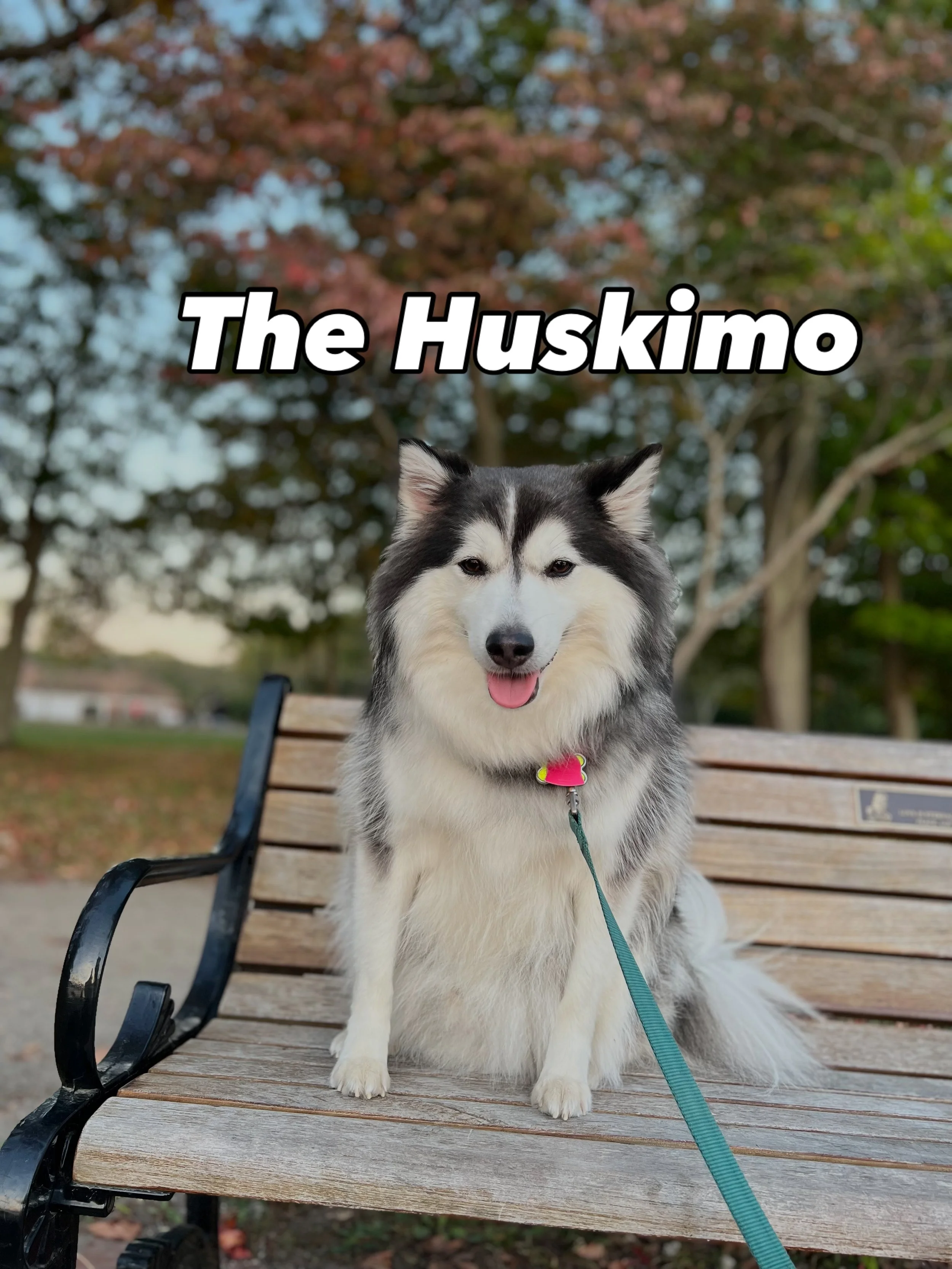
Overview
If you're looking for a dog that's equal parts stunning and spirited, the Huskimo might just be your perfect match. This eye-catching hybrid combines two beloved Nordic breeds — the Siberian Husky and the American Eskimo Dog — resulting in a fluffy, energetic, and deeply loyal companion. Intelligent, social, and bursting with personality, the Huskimo is a dog that demands attention, activity, and an owner who's ready to keep up.
Quick Facts
Breed Type: Hybrid / Designer
Parent Breeds: Siberian Husky + American Eskimo Dog
Size: Medium
Weight: 30–60 lbs
Height: 20–25 inches
Lifespan: 12–15 years
Coat: Dense double coat
Energy Level: Very High
Good with Kids: Yes
Good with Pets: Yes
AKC Recognized: No
History
The Huskimo is a relatively young designer breed. While the Siberian Husky has centuries of history as a sled dog and working companion for the Chukchi people of northeastern Siberia, and the American Eskimo Dog has long been prized as an alert, intelligent companion breed, the two weren't intentionally combined until the designer dog trend took hold in the 1990s.
The goal was simple: blend the Husky's adventurous spirit and striking looks with the Eskie's playful, affectionate personality. The result was the Huskimo — a breed that isn't officially recognized by the American Kennel Club but has built a devoted following among active dog lovers.
Temperament
The Huskimo is a genuinely friendly, outgoing dog that loves people of all ages. They're social by nature, getting along well with kids, strangers, and other pets — especially when properly socialized from puppyhood. Don't expect them to be much of a guard dog though; they're far more likely to greet an intruder with a wagging tail than a warning bark.
That said, the Huskimo has a strong pack instinct inherited from both parent breeds. They need a confident, consistent owner who can establish clear leadership — otherwise this clever dog will happily promote itself to the top of the household hierarchy. They're not recommended for first-time dog owners for this reason.
One charming quirk: while Huskimos are friendly with everyone, they tend to bond most deeply with one special person in the family, becoming a devoted and affectionate shadow to their chosen human.
Size & Weight
The Huskimo is a medium-sized dog, though there can be noticeable variation depending on the size of the American Eskimo parent (Eskies come in toy, miniature, and standard varieties). Most Huskimos fall between 30 and 60 pounds and stand 20 to 25 inches tall at the shoulder. Males typically run larger than females.
Exercise Needs
This is not a couch dog. The Huskimo has a very high energy level and needs at least 60 to 90 minutes of vigorous exercise every day. Think long walks, hikes, runs, fetch sessions, or agility courses — not a casual stroll around the block.
Mental stimulation is just as important as physical exercise. Puzzle toys, obedience training, and interactive play help keep their sharp minds engaged. A bored Huskimo is a destructive Huskimo — expect chewed furniture and escape attempts if their needs aren't met.
A home with a securely fenced yard is strongly recommended. Apartment living is generally not a good fit for this breed.
Grooming
The Huskimo's beautiful double coat comes with a grooming commitment. They shed heavily — especially during seasonal "blowing coat" periods twice a year — and require brushing three to five times per week at minimum, or daily during heavy shedding seasons.
Beyond brushing, basic grooming needs include:
Bathing every 6–8 weeks or as needed
Nail trimming monthly
Ear cleaning weekly to prevent infections
Teeth brushing two to three times per week
The good news: their coat is naturally clean and doesn't require professional grooming visits as frequently as some other breeds. Investing in a good deshedding brush will be your best friend.
Health Issues
The Huskimo is generally considered a healthy breed — hybrid dogs often benefit from what's called "hybrid vigor," meaning they can be hardier than their purebred parents. That said, there are several conditions worth being aware of:
Hip & Elbow Dysplasia — A malformation of the joints that can cause pain and mobility issues, common in both parent breeds.
Progressive Retinal Atrophy (PRA) — An inherited eye condition that can lead to gradual vision loss, inherited from the Husky side.
Cataracts — Can develop over time and may eventually impact vision.
Obesity — Huskimos can gain weight quickly if not given adequate exercise and a high-quality diet.
Hypothyroidism — A thyroid condition that can cause weight gain, lethargy, and hair loss.
Skin Allergies — Environmental or food-based allergies are seen in some dogs.
Regular vet checkups twice a year, a balanced diet, and plenty of exercise go a long way toward keeping your Huskimo healthy well into their teens. Always source your puppy from a reputable breeder who health tests both parents.
Lifespan
A healthy Huskimo typically lives 12 to 15 years — an impressive lifespan for a medium to large breed dog.
Who Is the Huskimo Best For?
The Huskimo thrives with the right owner. This breed is an excellent match for:
✅ Active individuals or families who exercise daily and want a dog to join them
✅ Experienced dog owners comfortable establishing consistent leadership
✅ Homes with a yard and space to run
✅ Families with children — Huskimos are patient, playful, and gentle with kids
✅ Multi-pet households — they generally get along well with other dogs when socialized early
✅ Cold climate dwellers — their thick double coat means they love cool weather
The Huskimo is not the best fit for:
❌ First-time dog owners
❌ Apartment dwellers or those with limited outdoor space
❌ People with long work hours and little time for exercise or companionship
❌ Those who prefer a low-maintenance or low-energy dog
Think the Huskimo is the breed for you? Explore similar breeds: Siberian Husky, American Eskimo Dog, Goberian, Pomsky
