
Siberian Husky: Breed Profile, Temperament, Care, & Facts
Overview
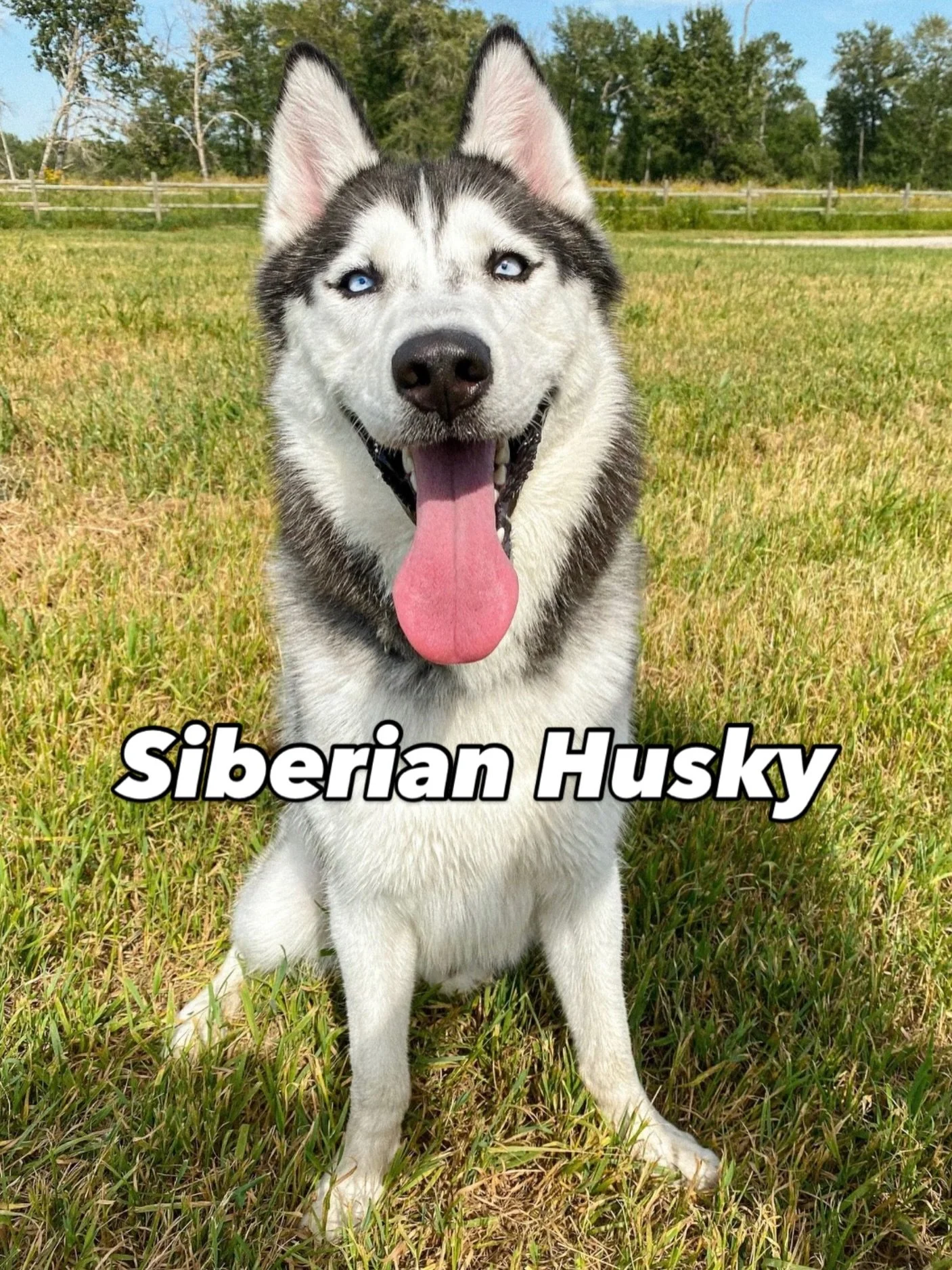
Few dog breeds stop people in their tracks quite like the Siberian Husky. With their wolf-like good looks, piercing blue or multicolored eyes, and boundless energy, Huskies are one of the most recognizable and beloved breeds in the world. But behind that stunning exterior is a dog with very specific needs — and a personality that's equal parts charming and challenging. If you're considering a Husky, understanding what you're signing up for is essential. This is not a breed that does well on the sidelines.
Quick Facts
Breed Type: Purebred / Working Group
Origin: Siberia, Russia
Size: Medium
Weight: 35–60 lbs
Height: 20–23.5 inches
Lifespan: 12–15 years
Coat: Dense double coat, medium length
Energy Level: Very High
Good with Kids: Yes
Good with Other Dogs: Yes
AKC Recognized: Yes (1930)
History
The Siberian Husky has one of the most storied histories of any dog breed. For thousands of years, the Chukchi people of northeastern Siberia bred these dogs to pull heavy sleds across vast frozen distances in brutal Arctic conditions. They weren't just working dogs — they lived alongside Chukchi families, sleeping with children for warmth and serving as devoted companions as much as working animals.
Huskies were introduced to Alaska in the early 1900s during the Nome Gold Rush, where their speed and endurance made them legendary on the sled racing circuit. Then in 1925 came the moment that made the breed world-famous: the Great Race of Mercy. When a diphtheria epidemic threatened Nome, Alaska, teams of Siberian Huskies relayed life-saving serum across 674 miles of treacherous, blizzard-swept terrain. The lead dog on the final stretch, a Husky named Balto, became an international hero — his statue still stands in New York City's Central Park today.
The AKC officially recognized the Siberian Husky in 1930, and the breed has remained consistently popular ever since. The annual Iditarod Trail Sled Dog Race exists as a living tribute to that historic mercy run.
Temperament
The Siberian Husky is friendly, outgoing, and genuinely good-natured — but don't mistake that friendliness for easy-going. Huskies are highly intelligent, deeply independent, and have a free-spirited streak that can make them a handful for unprepared owners.
They are pack animals at heart and thrive on companionship — with people and other dogs alike. They are famously poor guard dogs; a Husky is far more likely to enthusiastically greet an intruder than warn you about one.
Huskies are also notorious communicators. They don't bark much but they do howl — sometimes melodiously, sometimes at full volume at 3am. A bored or understimulated Husky will let the whole neighborhood know about it.
Their high prey drive is worth noting too. Huskies have a strong instinct to chase smaller animals and should be kept on a leash in open areas and introduced carefully to cats or small pets.
With children, Huskies are typically patient, playful, and gentle. They are a genuinely family-friendly breed when properly socialized from puppyhood.
Size & Weight
The Siberian Husky is a medium-sized dog with an athletic, well-proportioned build. Males typically weigh between 45 and 60 pounds and stand 21 to 23.5 inches at the shoulder. Females are slightly smaller, weighing 35 to 50 pounds and standing 20 to 22 inches tall. Despite their medium size, Huskies are powerful, muscular dogs built for endurance rather than bulk.
Exercise Needs
This is where many Husky owners get caught off guard. The Siberian Husky was literally bred to run 100+ miles a day in Arctic conditions. Their exercise needs are intense and non-negotiable.
Plan for a minimum of 1 to 2 hours of vigorous exercise daily — and that means real exercise, not a casual walk around the block. Running, hiking, cycling alongside them, agility courses, and off-leash play in a securely fenced area are all ideal. Huskies that don't get adequate exercise become destructive, vocal, and extremely difficult to live with. Expect chewed furniture, dug-up yards, and howling concerts if their needs aren't met.
One important safety note: Huskies are escape artists. They can jump fences, dig under them, and squeeze through gaps with impressive creativity. A tall, secure fence is not optional — it's essential.
In hot weather, exercise should be limited to cooler morning and evening hours. Their thick double coat makes them prone to overheating in warm climates.
Grooming
The Siberian Husky has a dense double coat that sheds year-round and goes into a full "coat blow" twice a year — a dramatic shedding event where they lose their entire undercoat over several weeks. During these periods, daily brushing is a must.
During normal periods, brush your Husky two to three times per week to manage shedding and keep the coat healthy. The good news is that Huskies are naturally clean dogs that tend to groom themselves like cats and rarely have a strong doggy odor, meaning baths are only needed every few months or when they get into something messy.
Regular grooming also includes:
Nail trimming every 3 to 4 weeks
Ear cleaning weekly to prevent infections
Teeth brushing two to three times per week
Eye checks regularly, given the breed's predisposition to eye conditions
Invest in a quality deshedding tool. Your furniture and wardrobe will thank you.
Health Issues
The Siberian Husky is generally a robust, healthy breed — a testament to centuries of natural selection in harsh conditions. That said, there are several hereditary health conditions prospective owners should know about:
Cataracts — One of the most common Husky health concerns. Juvenile cataracts can begin developing in puppies as young as a few months old and may progress to significant vision loss. Surgery is available and effective.
Progressive Retinal Atrophy (PRA) — An inherited degenerative eye disease that can lead to blindness. Research suggests PRA is more common in male Huskies.
Hip Dysplasia — Less common in Huskies than many other breeds, with a prevalence of around 2%, but still worth screening for in breeding dogs.
Hypothyroidism — A thyroid condition that can cause weight gain, lethargy, and coat changes.
Epilepsy — An inherited neurological condition seen in some Huskies, typically presenting between 3 months and 3 years of age.
Zinc Deficiency (Zinc-Responsive Dermatosis) — A skin condition unique to Nordic breeds where the dog cannot properly absorb zinc, leading to skin and coat problems.
Always purchase from a reputable breeder who health tests both parents and can provide documentation. Regular vet checkups twice yearly are strongly recommended.
Lifespan
A healthy Siberian Husky typically lives 12 to 15 years — an impressive lifespan for a medium to large working breed.
Who Is the Siberian Husky Best For?
The Siberian Husky is a magnificent dog — but they are absolutely not the right fit for everyone. This breed thrives with:
✅ Very active owners who exercise daily and want a dog to join every adventure
✅ Experienced dog owners who understand working breed independence
✅ Families with children — Huskies are patient, playful, and loving with kids
✅ Homes with other dogs — Huskies are pack animals and often do better with canine company
✅ Homes with a large, securely fenced yard
✅ Owners in cooler climates — Huskies are in their element in cold weather
The Siberian Husky is not the best fit for:
❌ First-time dog owners unprepared for a strong-willed, independent breed
❌ Apartment dwellers or those with limited outdoor space
❌ Owners with long work hours and little time for exercise or companionship
❌ Households with cats or small animals (high prey drive)
❌ Anyone who loves their furniture, garden, or sleep (only partially joking)
Interested in similar breeds? Explore: Alaskan Malamute, Alaskan Klee Kai, Huskimo, Goberian
