
Chihuahua: Breed Profile, Temperament, Care, & Facts
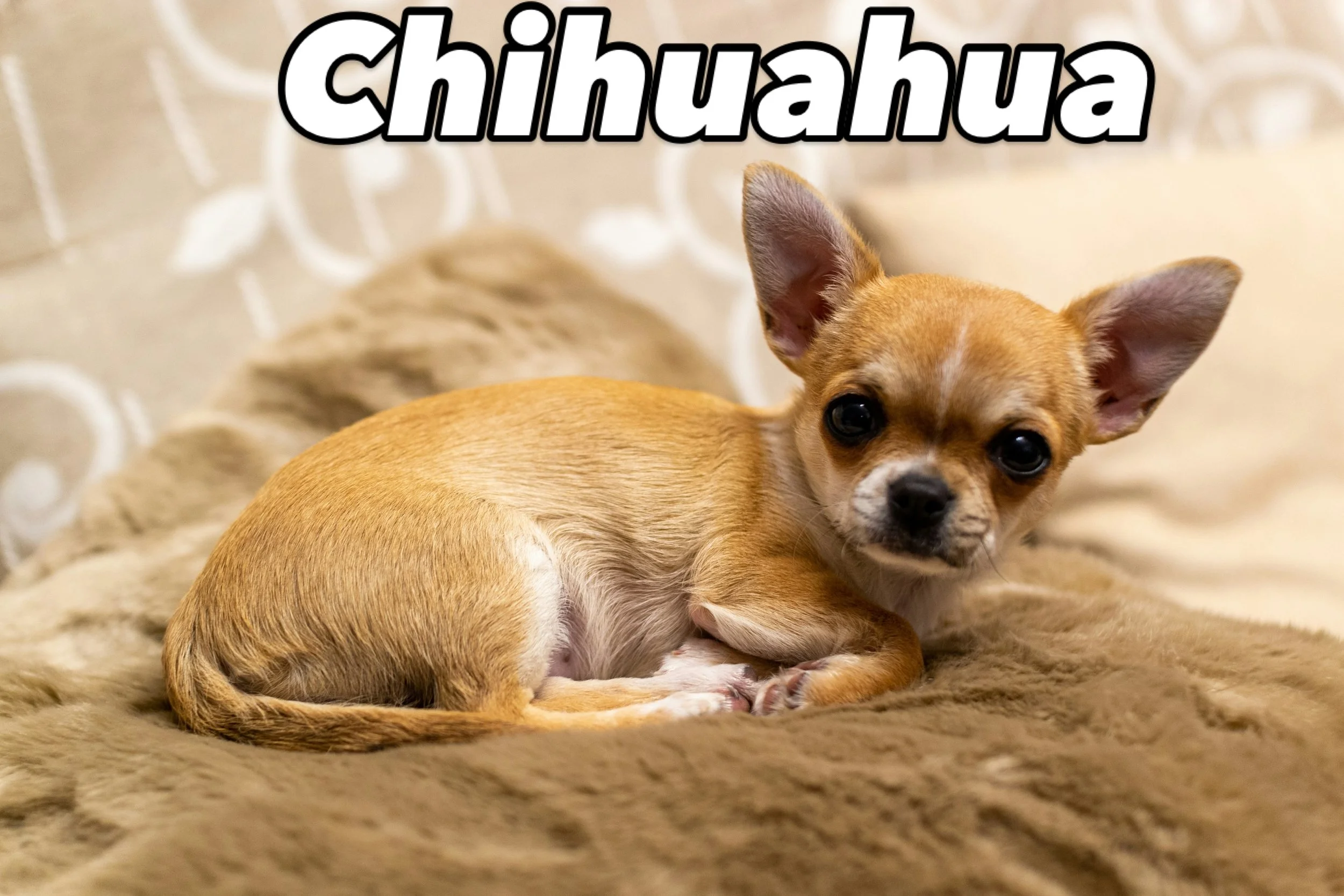
Overview
Don't let the size fool you. The Chihuahua is the smallest dog breed in the world, but nobody told them that. Bold, fierce, fiercely loyal, and bursting with personality, the Chihuahua is a dog that lives life with the confidence of an animal ten times its size. They are devoted companions, natural watchdogs, and endlessly entertaining — but they are also a breed with specific quirks, strong opinions, and real needs that often get underestimated because of how small they are. If you're considering a Chihuahua, here's everything you need to know before bringing one home.
Quick Facts
Breed Type: Purebred / Toy Group
Origin: Mexico
Size: Toy
Weight: 6 lbs or under
Height: 5–8 inches
Lifespan: 14–16 years
Coat: Smooth (short) or Long
Energy Level: Moderate to High
Good with Kids: Older children only
Good with Other Dogs: With socialization
AKC Recognized: Yes (1904)
History
The Chihuahua is believed to be one of the oldest dog breeds in the Americas, with roots stretching back thousands of years. The breed is widely thought to descend from the Techichi, a small companion dog kept by the Toltec civilization in ancient Mexico. Later adopted and cherished by the Aztecs, the Techichi held deep cultural and ceremonial significance — these dogs were believed to guide the souls of the deceased through the underworld, and they were often buried alongside their owners for exactly that purpose.
When Spanish conquistadors arrived in Mexico in the 16th century, the ancient Techichi largely disappeared from historical record. The breed as we know it today reemerged centuries later in the Mexican state of Chihuahua — the region that would lend the breed its now-famous name. American travelers discovered the small dogs near the Mexican border in the mid-1800s and began bringing them back to the United States, where interest quickly grew.
The American Kennel Club officially recognized the Chihuahua in 1904, making it one of the earliest breeds registered in the United States. Today the Chihuahua is consistently one of the most popular dog breeds in America, beloved by apartment dwellers, city dwellers, and anyone who wants a big dog personality in a very small package.
Temperament
The Chihuahua's personality is one of the most complex and misunderstood in the dog world. These are not simply cute lap dogs content to sit still and look pretty. Chihuahuas are alert, curious, bold, and deeply devoted to their chosen people — and they have absolutely no idea they are the smallest dog in any room.
Chihuahuas tend to form an intense bond with one or two people and can become fiercely protective of them. This loyalty is one of their most endearing qualities but also the root of some of their most challenging behaviors. A Chihuahua that hasn't been properly socialized can become possessive, snappy with strangers, and reactive around other dogs — not out of aggression, but out of a genuine belief that it is their job to protect you from threats they perceive as enormous.
Early and consistent socialization is absolutely essential for this breed. A well-socialized Chihuahua is confident, friendly, and charming. An undersocialized one can be anxious, yappy, and difficult in public settings.
One famous Chihuahua quirk is shaking or trembling — something many owners notice regularly. This is normal for the breed and can be caused by excitement, cold temperatures, or simply high metabolism. However, persistent shaking can also signal low blood sugar or a more serious condition, so it's worth monitoring closely and mentioning to a vet if it seems unusual.
Size & Weight
The Chihuahua holds the official title of the world's smallest dog breed, and the numbers back it up. A fully grown Chihuahua typically weighs 6 pounds or less, with many falling between 2 and 5 pounds. Height at the shoulder is just 5 to 8 inches. Despite their tiny stature, Chihuahuas have a slightly longer body than they are tall, giving them a compact but proportionate appearance.
Chihuahuas come in two coat varieties — smooth coat (short and close-lying) and long coat (soft and flowing with fringed ears and legs) — and an almost unlimited range of colors and patterns. Both coat varieties share the same temperament and care needs beyond grooming differences.
One important physical note: Chihuahuas have a domed skull, and some are born with a molera — a soft spot on the top of the head where the skull bones haven't fully joined, similar to a human fontanel. This is a breed-specific characteristic, not a defect, but it does mean the head requires extra care from rough handling or impact, particularly in puppies.
Exercise Needs
The Chihuahua's exercise needs are surprisingly manageable compared to most breeds — one of the genuine perks of their size. A daily walk or two plus some indoor play is typically enough to keep a Chihuahua happy and healthy. They are active little dogs that enjoy exploring, playing, and following their people from room to room, but they tire more quickly than larger breeds and are perfectly content with moderate activity.
That said, mental stimulation matters just as much as physical exercise. Chihuahuas are intelligent dogs that get bored without engagement. Trick training, puzzle toys, and interactive games keep their sharp minds occupied and their behavior balanced. A mentally understimulated Chihuahua is a barky, mischievous one.
One important safety consideration: Chihuahuas should never be left unsupervised outdoors, even in a fenced yard. Their tiny size makes them genuine prey for hawks, eagles, and larger animals. Always supervise outdoor time closely.
Grooming
Chihuahua grooming needs vary depending on coat type, but neither variety is particularly high maintenance.
Smooth coat Chihuahuas need very little grooming — a quick brush once a week and an occasional bath keeps their coat looking clean and healthy.
Long coat Chihuahuas require more attention — brushing two to three times per week to prevent mats and tangles, particularly around the ears, legs, and chest. They benefit from occasional professional trimming to keep the coat tidy.
For both coat types, regular grooming includes:
Bathing every three to four weeks
Nail trimming every two to three weeks — Chihuahua nails grow quickly
Ear cleaning weekly — their large upright ears can collect debris
Eye wiping once or twice a week — Chihuahuas' prominent eyes can produce excess tearing and discharge
Teeth brushing daily if possible — this is one of the most important grooming tasks for the breed given their significant dental disease risk
Health Issues
The Chihuahua is one of the longest-lived dog breeds in the world, and generally a hardy little dog for its size. However, there are several health conditions that prospective owners should know about — many tied directly to the breed's small size and unique anatomy.
Dental Disease — The single most common health issue in Chihuahuas. With a full set of adult teeth crammed into an extremely small jaw, overcrowding is nearly universal. This leads to accelerated tartar buildup, gum disease, and tooth loss. Daily brushing and regular professional dental cleanings are essential, not optional.
Patellar Luxation — A condition where the kneecap slips out of its normal groove, causing limping, a characteristic skipping gait, and potential arthritis over time. Mild cases often resolve on their own; severe cases may require surgery.
Hypoglycemia (Low Blood Sugar) — Particularly common in Chihuahua puppies and very small adults. Signs include shaking, weakness, disorientation, and in severe cases seizures. Chihuahua puppies need frequent small meals throughout the day to maintain stable blood sugar.
Heart Disease — Chihuahuas are prone to heart conditions, particularly mitral valve disease, as they age. Regular cardiac checkups become increasingly important in their senior years.
Hydrocephalus — A neurological condition where cerebrospinal fluid accumulates in the brain, more common in Chihuahuas than most other breeds. Signs include an unusually large or dome-shaped head, seizures, and coordination problems.
Bladder and Kidney Stones — Small breeds are generally more prone to urinary tract issues, and Chihuahuas are no exception.
Tracheal Collapse — A condition where the cartilage rings of the windpipe weaken over time, causing a chronic honking cough. Using a harness instead of a collar is strongly recommended for this breed to avoid putting pressure on the trachea.
A note on teacup Chihuahuas: avoid breeders who market "teacup" or micro Chihuahuas. Standard Chihuahuas are already extremely small, and deliberately breeding for even smaller size prioritizes appearance over health, resulting in dogs with significantly higher rates of serious health problems.
Lifespan
The Chihuahua is one of the longest-lived dog breeds in existence, with an average lifespan of 14 to 16 years — and some individuals living well into their late teens or even early twenties with excellent care. Their small size is largely responsible for this impressive longevity, as smaller dogs consistently outlive larger breeds. A Chihuahua is a decades-long commitment, which is something every prospective owner should think carefully about before bringing one home.
Who Is the Chihuahua Best For?
The Chihuahua thrives in the right home. This breed is an excellent fit for:
✅ Singles and couples who want a devoted, portable, low-exercise companion
✅ Apartment and city dwellers — Chihuahuas are perfectly sized for small spaces
✅ Experienced dog owners who understand small dog behavior and can commit to socialization and training
✅ Families with older children who know how to handle small dogs gently and respectfully
✅ People who are home often — Chihuahuas are intensely people-oriented and dislike long periods alone
✅ Those wanting a long-term companion — with a 14–16 year lifespan, a Chihuahua is a true life companion
The Chihuahua is not the best fit for:
❌ Families with very young children — small children can accidentally injure a Chihuahua through rough handling
❌ First-time dog owners unprepared for a strong-willed, opinionated breed
❌ Homes with very large dogs unless carefully managed — size differences create real safety risks
❌ Owners who want a low-bark, low-maintenance dog without training investment
❌ Anyone who cannot commit to daily dental care — it is genuinely critical for this breed's long-term health
Love tiny dogs with huge personalities? Explore similar breeds: Pomeranian, Yorkshire Terrier, Teacup Chihuahua — Is It Real?, Chihuahua Mixes
